+86-0318 8812222 sales@hengyangrubber.com
How Shield Type Dams Improve Flood Safety
Discover how Shield Type Dams enhance flood safety with innovative design, durability, and efficient water management. Learn about their benefits and applications.
Inflatable Rubber Dam vs Hydraulic Steel Dam: Key Differences
Explore the key differences between inflatable rubber dams and hydraulic steel dams, including structure, performance, cost, maintenance, and application scenarios. This in-depth comparison helps engineers and decision-makers choose the right dam solution for water management projects.
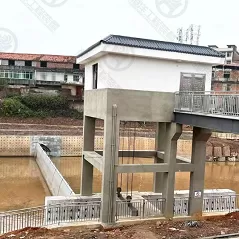
What Is a Hydraulic Steel Dam Used For?
What is a hydraulic steel dam used for? Explore its functions, applications, advantages, working principles, and why it is widely used in modern water control projects.
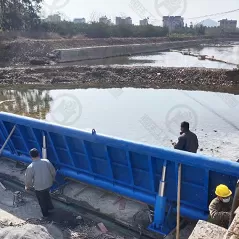
What Is a Shield Type Dam in Water Control Projects?
What is a shield type dam in water control projects? Learn its structure, working principle, applications, advantages, limitations, and how it compares with other movable dams.
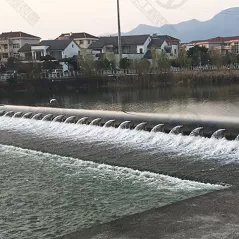
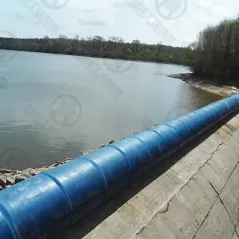
What Is an Inflatable Rubber Dam and How Does It Work?
What is an inflatable rubber dam and how does it work? Learn about its structure, working principle, advantages, applications, and how it compares to traditional dams.